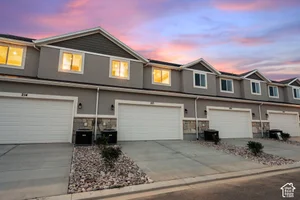
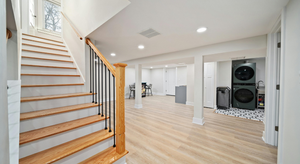
Condo vs. Townhome vs. House in Utah: Which Costs Less After HOA Fees?
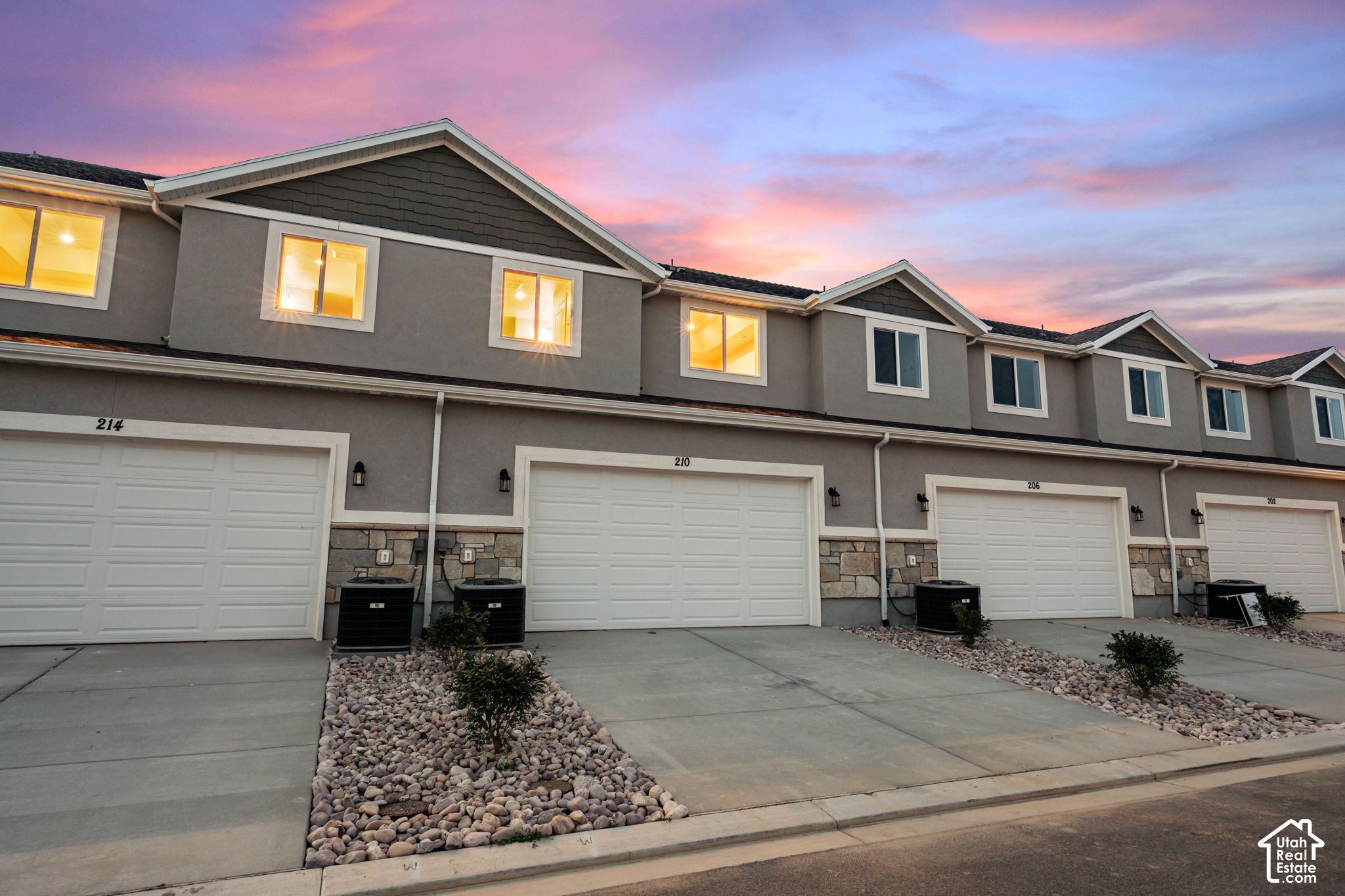
A condo or townhome may begin with a lower purchase price than a nearby detached house. But affordability depends on more than the mortgage.
HOA dues, property taxes, insurance, utilities, maintenance, reserve funding, possible special assessments, and future resale flexibility all affect what the property really costs.
The better choice is the property that balances today's budget, the responsibilities you want to manage, and the flexibility you may need later.
Condo, Townhome, or Single Family Home: Which Fits the Way You Want To Own?
Before comparing asking prices, think about what you want to maintain yourself, which responsibilities you are comfortable sharing, and how much control you want over the property.
Condo ownership generally includes your individual unit plus shared ownership interests in common areas managed through an association.
Depending on the community, dues may help fund exterior maintenance, common insurance, landscaping, snow removal, amenities, or other shared expenses.
Monthly dues, rules, association finances, shared repair obligations, insurance structure, and possible special assessments.
A townhome describes the style of the property more than the legal ownership arrangement. A townhome may be structured as a condominium or under another form of ownership.
Maintenance responsibilities can differ significantly from one development to another, even when the homes look similar.
What you own, what the association maintains, shared walls, exterior responsibility, dues, insurance, and community rules.
A detached home may offer more direct control over the structure, yard, storage, improvements, and maintenance decisions.
That control usually comes with greater direct responsibility for roofing, landscaping, exterior repairs, utilities, and unexpected maintenance.
A detached house can still belong to an HOA, so buying a house does not automatically mean association dues or restrictions disappear.
≠
Structure
Two attached homes can look nearly identical while having different legal ownership structures, insurance responsibilities, maintenance obligations, and financing considerations. Review the deed and governing documents rather than relying on the architectural style alone.
The Mortgage Payment Is Only One Line in the Budget
Imagine finding a condo with a comfortable mortgage payment and then discovering an additional HOA payment every month.
Does that automatically make the condo less affordable? Not necessarily.
The Consumer Financial Protection Bureau explains that HOA dues are usually paid separately from the mortgage payment. Those dues may fund services or shared expenses that a detached homeowner would otherwise pay for or manage directly.
Principal and interest based on your loan terms.
Costs can differ by property type and insurance structure.
Regular association charges for shared expenses and services.
Repairs and upkeep that remain the owner's responsibility.
Understand what is included in dues and what you pay separately.
Additional association charges may arise for shared expenses.
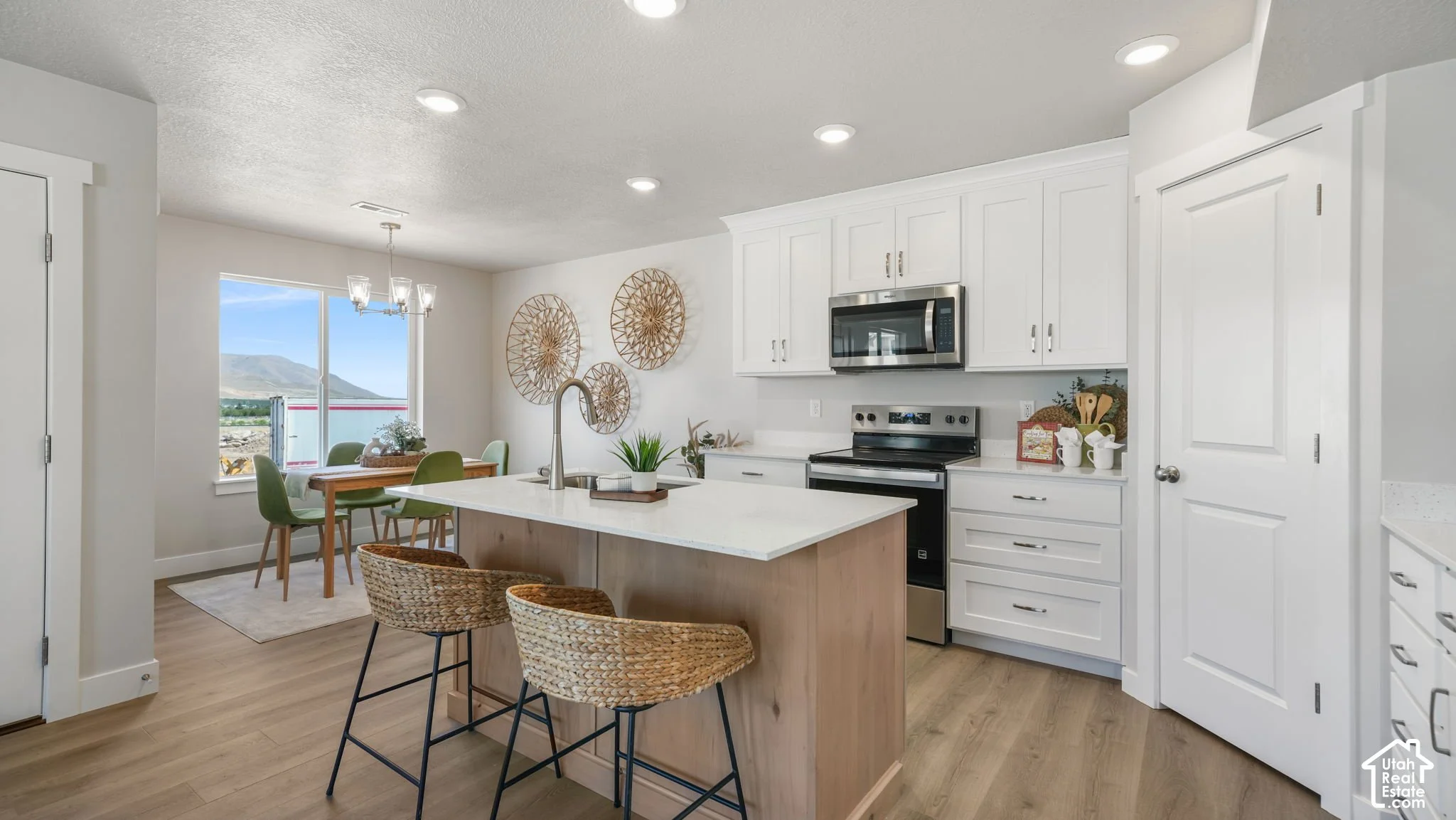
The Same Housing Type Can Carry Very Different Costs From One Community to Another
A condo, townhome, or detached house should be evaluated using its actual documents, expenses, condition, and local resale evidence rather than assumptions about the property type.
If you are comparing communities such as Centennial Park, Ridgestone, River Run, or other attached-home developments, review what each association covers instead of assuming the dues and responsibilities will be similar.
A townhome opportunity in Nephi may compete with detached homes in the surrounding area. Compare the actual monthly ownership cost and maintenance responsibilities rather than price alone.
Attached housing and detached homes can serve different goals. Use comparable sales, association documents, condition, and ongoing expenses to understand the tradeoffs.
Low Monthly Dues Do Not Tell You the Association's Full Financial Story
One of the biggest financial considerations in condominium ownership is how the association plans for major shared repairs and replacements.
Utah Commerce explains that reserve analyses are intended to identify major common components, their expected useful life, estimated repair or replacement costs, and a plan for funding those expenses.
A reserve study is useful information, but the document itself does not guarantee that enough cash has already been accumulated for every future project.
Helps identify future common-area repair and replacement needs.
Shows how the association is preparing financially for those future obligations.
A Cheap HOA Payment Today Can Still Be Followed by a Large Shared Expense
Utah Commerce describes assessments as charges imposed on owners to fund common expenses. In addition to regular dues, an association may impose a special assessment when additional money is needed under the association's governing framework.
That matters when you buy and when you eventually sell. Rising dues, major upcoming repairs, unresolved maintenance, insurance concerns, or significant assessments can influence how future buyers evaluate the property.
The goal is not to find the HOA with the lowest fee. It is to understand what the payment supports and whether the association's financial picture makes sense for the property you are buying.
Financing and Insurance Can Change the Comparison Too
The price may fit your budget while the project itself creates additional questions for a lender or insurer.
Condominium Project Financing
Fannie Mae explains that lenders may review the condominium project's physical condition, finances, insurance, structural issues, litigation, inspections, and other project-level factors.
That means qualifying for a mortgage personally does not automatically establish that every condo project will fit the requirements of your loan program.
Insurance Responsibilities
The Utah Insurance Department explains that condo and townhome coverage depends partly on the governing documents, the association's master policy, and the portions of the property for which you are responsible.
Review the association's insurance structure and understand how your individual policy is expected to work with it before assuming the insurance cost will be lower.
Four Questions Bring the Cost and Resale Decision Together
Compare mortgage, property taxes, insurance, HOA dues, utilities, maintenance, and other recurring obligations.
Review maintenance responsibilities, amenities, reserve information, budgets, known assessments, and the governing documents.
Confirm lender requirements for the property and understand both the association's master policy and your individual insurance responsibility.
Consider rental restrictions, association rules, property condition, assessments, local comparable sales, and what could affect a future buyer's decision.
The Most Affordable Property Is Not Necessarily the One With the Lowest Asking Price
A condo, townhome, or detached home can all be worthwhile choices. The useful comparison is what you will actually own, what you will pay each month, which repairs remain your responsibility, what the association is responsible for, and how the property may fit your future plans.
Across Utah County, Juab County, and Sanpete County, comparing those details before you commit can give you a much clearer picture than comparing list prices alone.
Condos, Townhomes, and Houses in Utah FAQs
Do condos have lower resale value than single family homes in Utah?
Can high HOA fees make a condo harder to sell?
Are HOA fees included in a Utah condo's mortgage payment?
What happens if a Utah condo association has a special assessment?
Can I qualify for a mortgage but still be unable to finance a particular condo?
Is a townhome the same thing as a condominium?
Should I buy a condo in Utah County or a detached home in Juab or Sanpete County?
Can I rent out my Utah condo later?
Double-click to edit...