Start with the recorded deed.
The deed gives the family, attorney, title professional, and real estate team a common starting point for understanding how ownership is currently reflected in the public record.


The Lance Group Real Estate
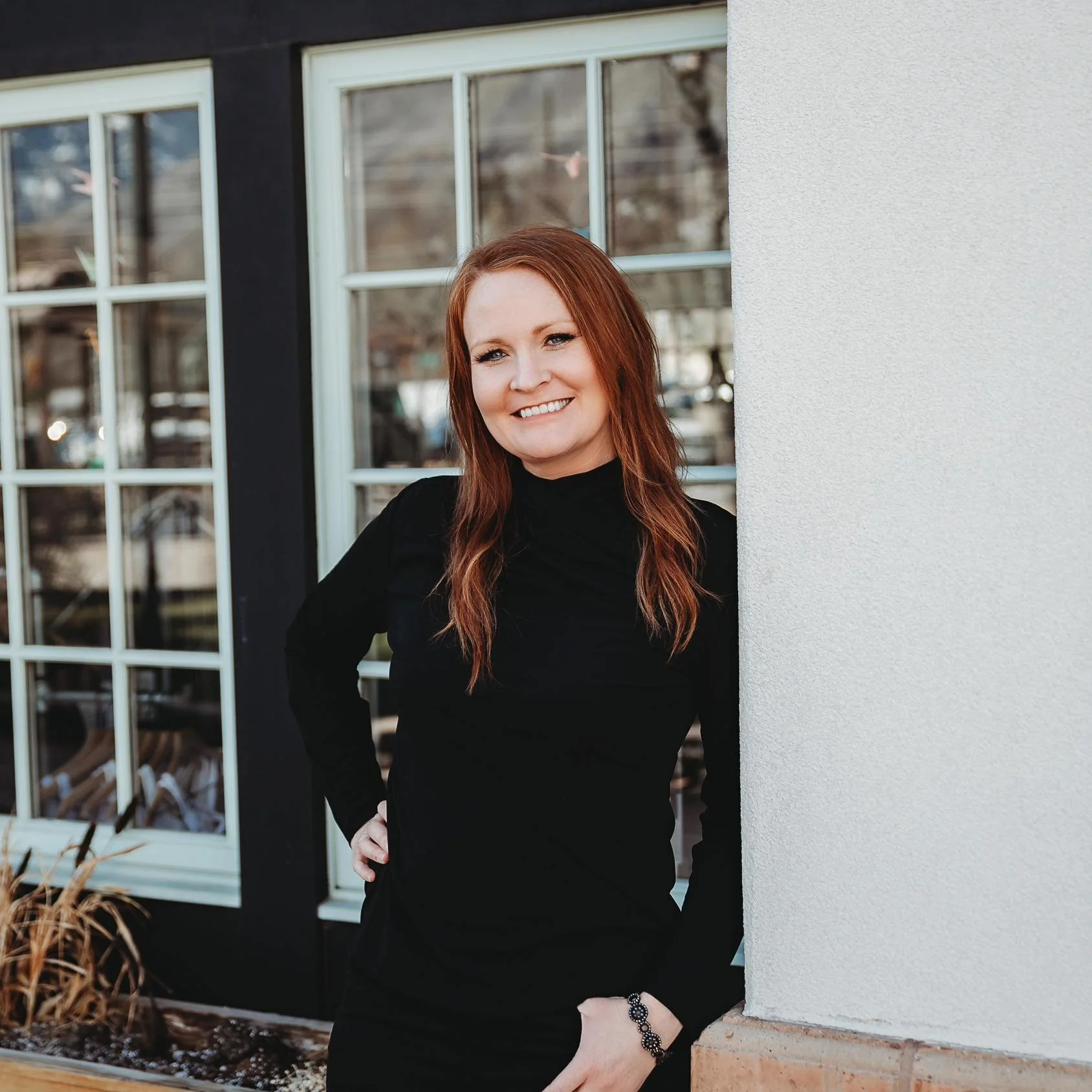
Led by Kylie Lance, The Lance Group Real Estate helps successor trustees, personal representatives, and families manage the real estate responsibilities that follow the loss of a loved one. We keep the property side organized, coordinate with attorneys and title professionals when needed, and guide the real estate from the first questions through listing and closing.
Real Estate Guidance After a Loved One Has Passed.
Schedule a Private ConsultationTrust & Probate
Start with the path that best describes how the property is being handled. You do not need to understand every legal detail before exploring the real estate considerations.
Trust Real Estate
A home or other real estate can be held through a trust rather than solely in an individual's name. After the person who created the trust has died, a successor trustee may step in to manage the property and make decisions about what happens next.
For the family, that can mean caring for a home that still needs to be maintained, understood, and eventually sold while the trustee is also working through the responsibilities of the trust.
The property may look like a traditional home sale, but the person handling it is acting within the responsibilities of the trust.
Before the Listing
The deed gives the family, attorney, title professional, and real estate team a common starting point for understanding how ownership is currently reflected in the public record.
If the property is shown as held in a trust, the next question is which trust is connected to the property and whether the ownership record matches the trust information being reviewed by the appropriate professionals.
The appropriate attorney and title professionals review the trust and title information and confirm the person who can make decisions, sign documents, and act for the property on behalf of the trust.
Any outstanding title, authority, signature, or transaction requirements identified by the appropriate professionals can be addressed before the property moves into an active sale.
Once the appropriate authority and title path are clear, the property can move forward into the listing and transaction process with a cleaner foundation.
This is a high level real estate workflow, not legal advice. The exact path depends on title, trust documents, individual circumstances, and review by the appropriate legal and title professionals.
Probate Real Estate
When someone dies and real estate is still connected to them, the property may become part of the estate that needs to be administered. Before certain decisions can be made, the appropriate person may need to be formally authorized to act on behalf of that estate.
During that time, the family may still be dealing with the home itself, including its condition, belongings, access, maintenance, and what should ultimately happen with the property.
The real estate is part of a larger estate matter, which can make timing, authority, and coordination different from a typical home sale.
Before the Listing
Probate property often requires a clearer authority path before an active sale can move forward. The real estate work can begin while the attorney, court, and title professionals establish who can act for the estate and what must be resolved before the transaction proceeds.
The ownership record gives the family, attorney, title company, and real estate team a shared starting point for understanding how the property is currently held.
If the property remains connected to the deceased owner or the ownership path is not immediately clear, the estate and title situation requires further professional review before the active transaction relies on a particular authority path.
The attorney, court, title professionals, and other appropriate parties determine the path for establishing the person who can act for the estate. The exact route depends on the estate, title, documents, and circumstances involved.
Once the appropriate authority is established, the real estate team has a clear authorized decision maker for the property and transaction. That creates a defined point of contact as the property moves toward listing and sale.
Any remaining title, documentation, signature, or estate related transaction requirements identified by the appropriate professionals can be addressed before the active sale moves forward.
With the appropriate authority established and the transaction path understood, the property can move forward into the real estate sale on a clearer foundation.
This is a high level real estate workflow, not legal advice or a probate procedure guide. The exact path depends on title, estate documents, court requirements, individual circumstances, and professional review.
Elevated Living Starts Here
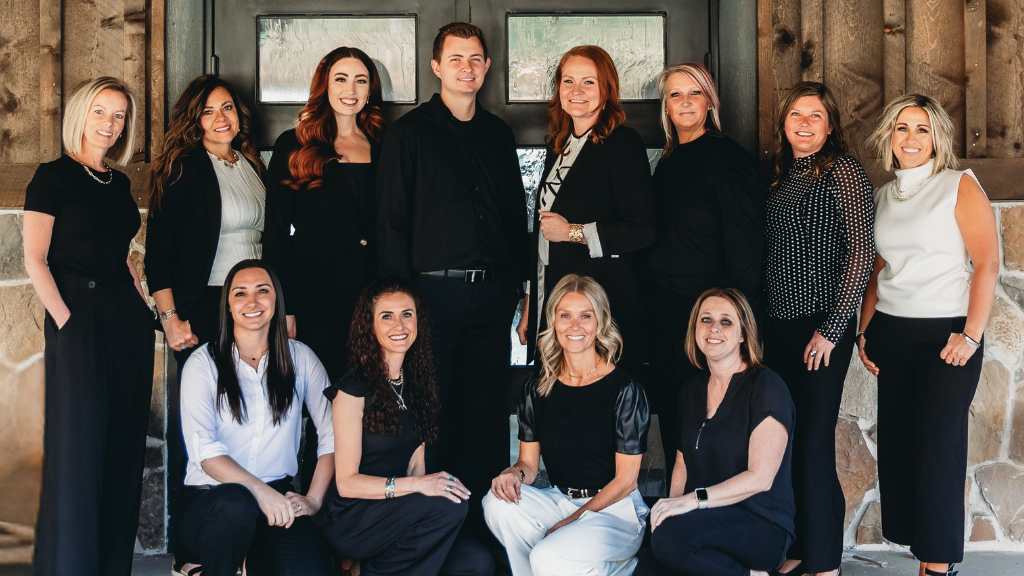
A trust or probate property can involve the client, attorney, title company, real estate team, and closing professionals before the transaction reaches the market. Kylie Lance leads the brokerage side while The Lance Group keeps the real estate timeline, property information, and transaction communication organized around the people involved.
The Lance Group Real Estate
Utah Valley · Juab County · Sanpete County
With the client's authorization, the real estate side can remain connected to attorney and title communication as questions are resolved, authority is confirmed, and the property approaches listing readiness.
Common Questions

©Lance Group Homes LLC 2024
All Rights Reserved
Top Realtors in Utah County | The Lance Group Real Estate
