Spring City

Spring City Lifestyle

What Defines Living in Spring City, Utah?

Spring City is defined by a preserved historic district, broad Sanpete Valley views, quiet residential streets, and a housing mix that ranges from pioneer era homes to newer rural properties. The community feels rooted in its architectural history while remaining closely connected to acreage, mountain access, and the wider Sanpete County landscape.

Historic Core

A Town Shaped by Preservation

Spring City’s historic district gives the community a residential character that is unusual even among Utah’s older towns. The district is recognized for architecture tied to settlement, agriculture, and community development, with homes and civic buildings that reflect several generations of local building traditions. For buyers, that means age, materials, condition, restoration work, and location inside the historic fabric can matter just as much as square footage.
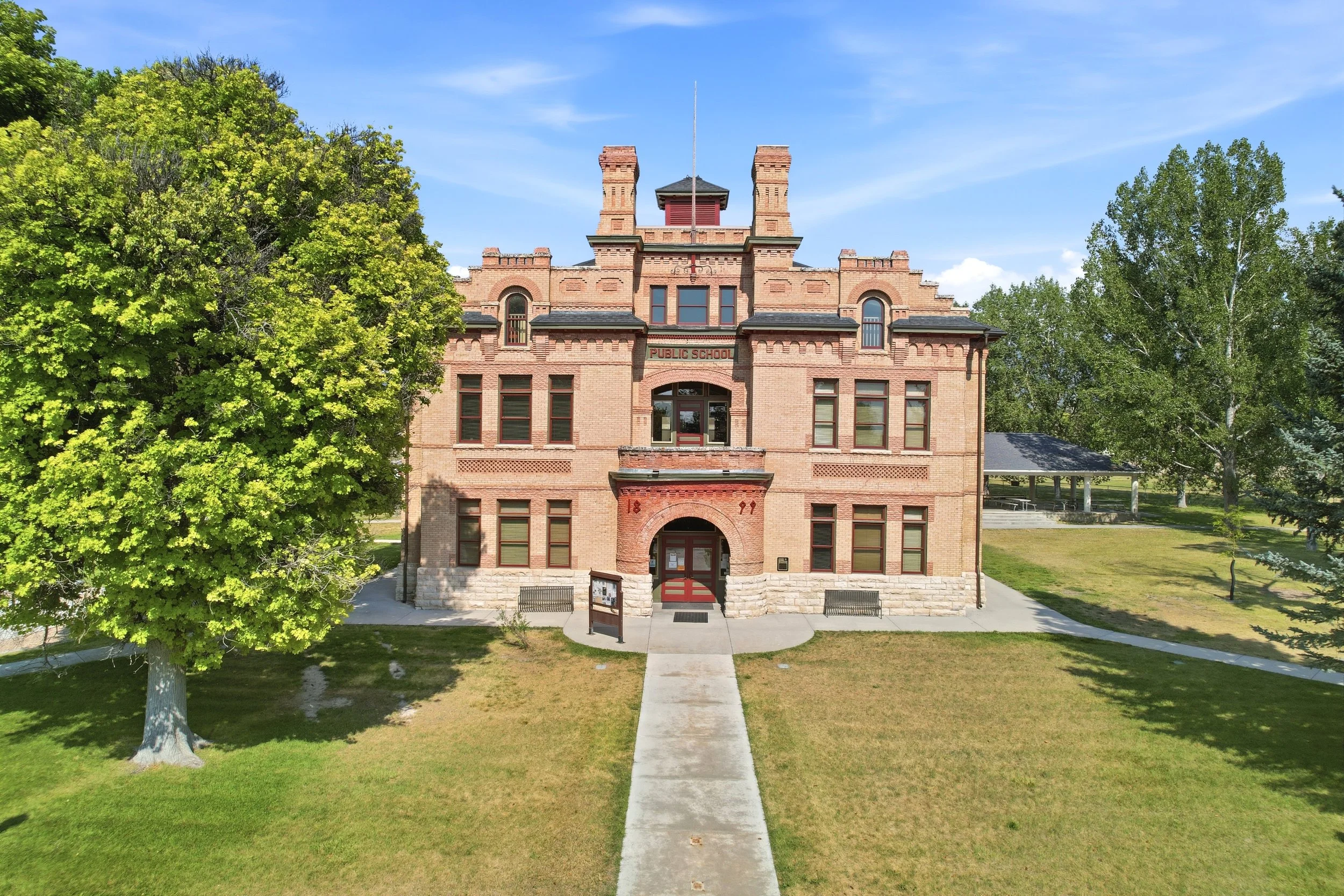
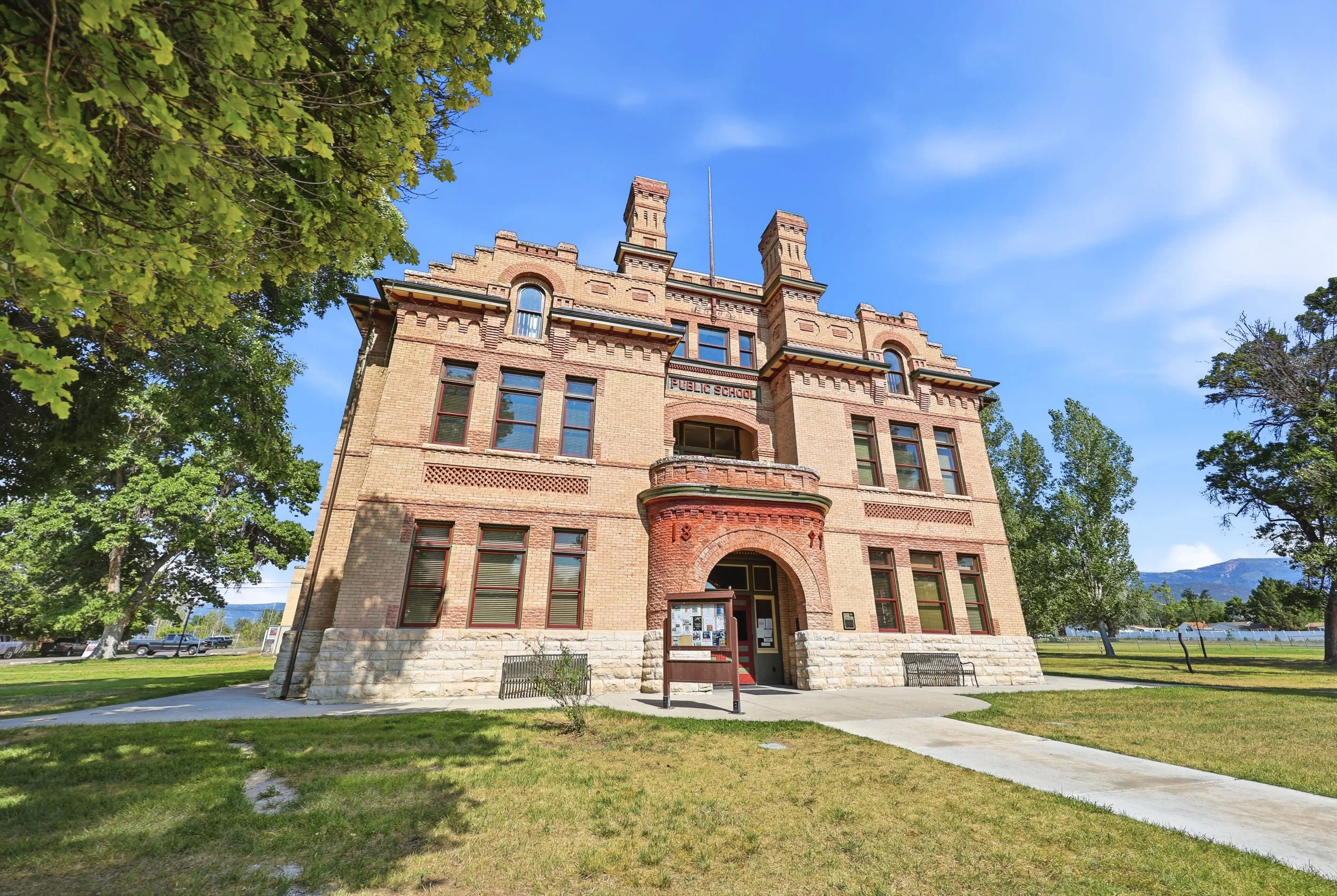
Historic civic architecture and surrounding streets in Spring City Utah

Main Street Perspective

Culture Woven Into Daily Life

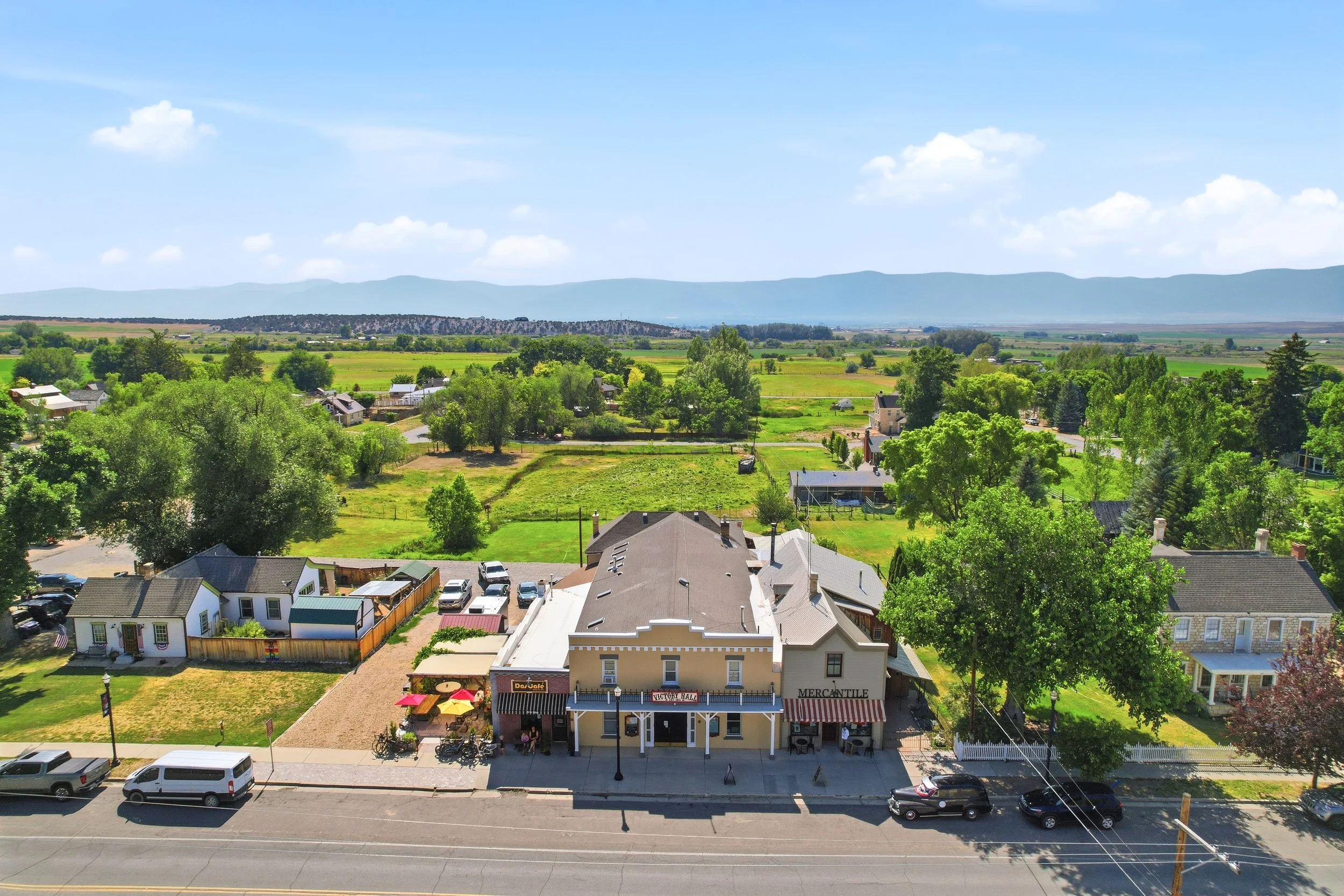
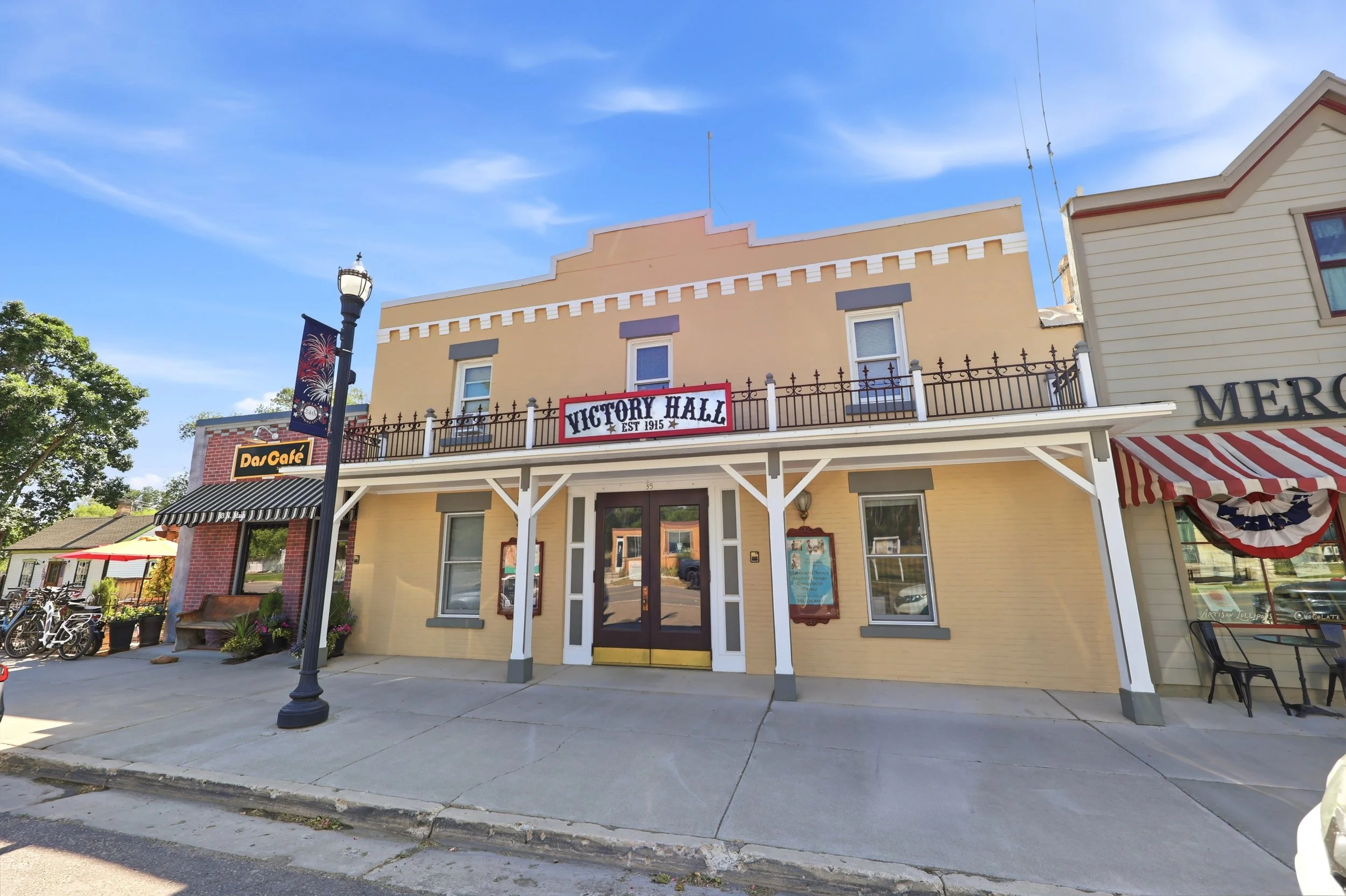
Spring City’s local identity extends beyond historic houses. Main Street storefronts, public art, restored buildings, civic spaces, and small businesses give the town an active center within a distinctly rural setting. Buyers comparing homes here are often weighing not only the property itself, but also proximity to the historic core, open land, mountain views, and the quieter rhythm that defines the community.

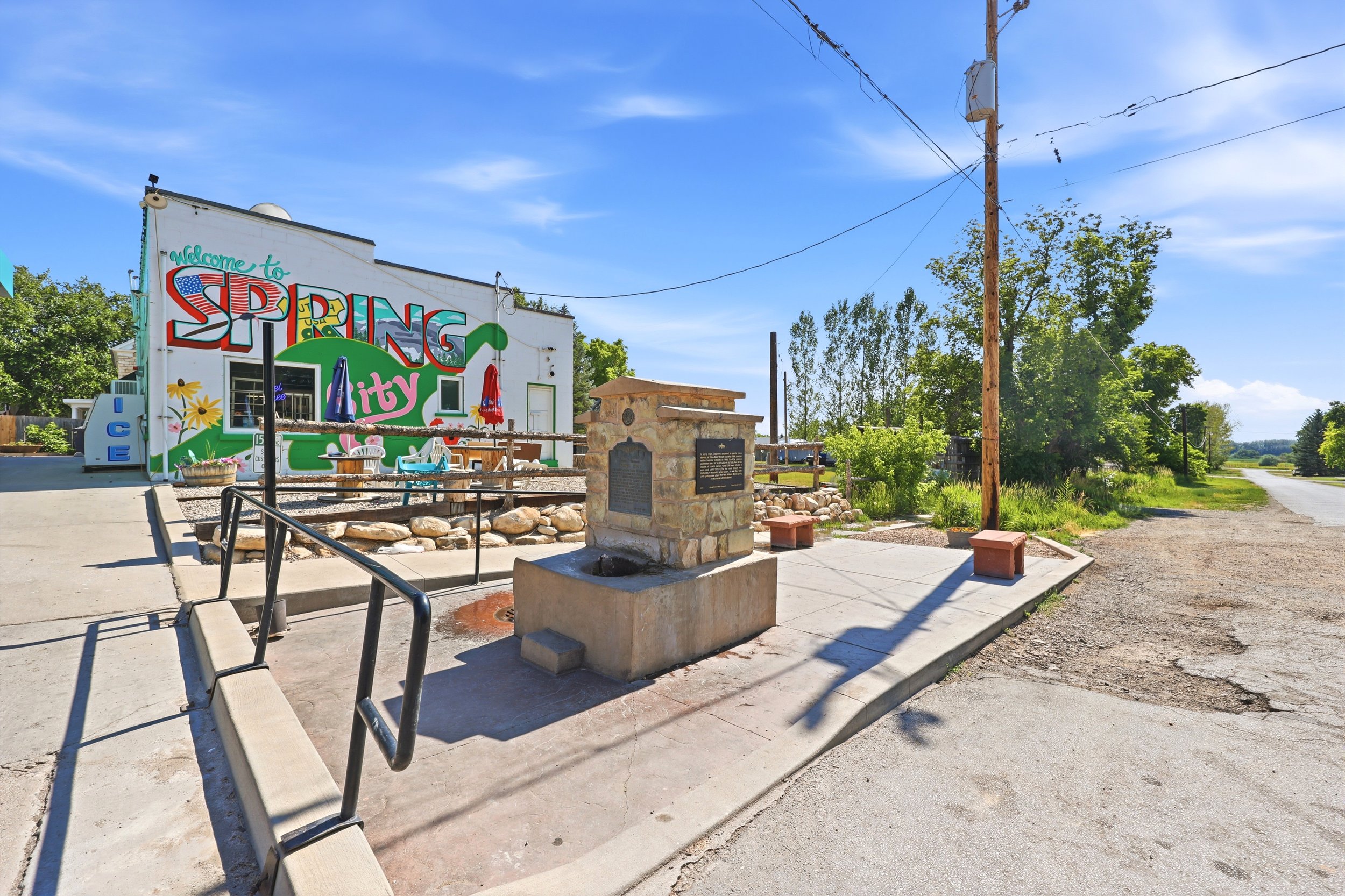
Local storefront along Main Street in Spring City Utah

Local Footprint

The Iconic Anchors

Spring City’s identity is visible through its historic civic buildings, local art, stone architecture, and the open Sanpete Valley landscape around town. Together, these anchors help explain why property setting matters here and why two homes only a few blocks apart can offer very different experiences.

Historic civic building in Spring City Utah

Historic Civic Core

Preserved public architecture near Spring City’s historic center

Public mural and gathering space in Spring City Utah

Local Art & Identity

Public art and local character within the town center

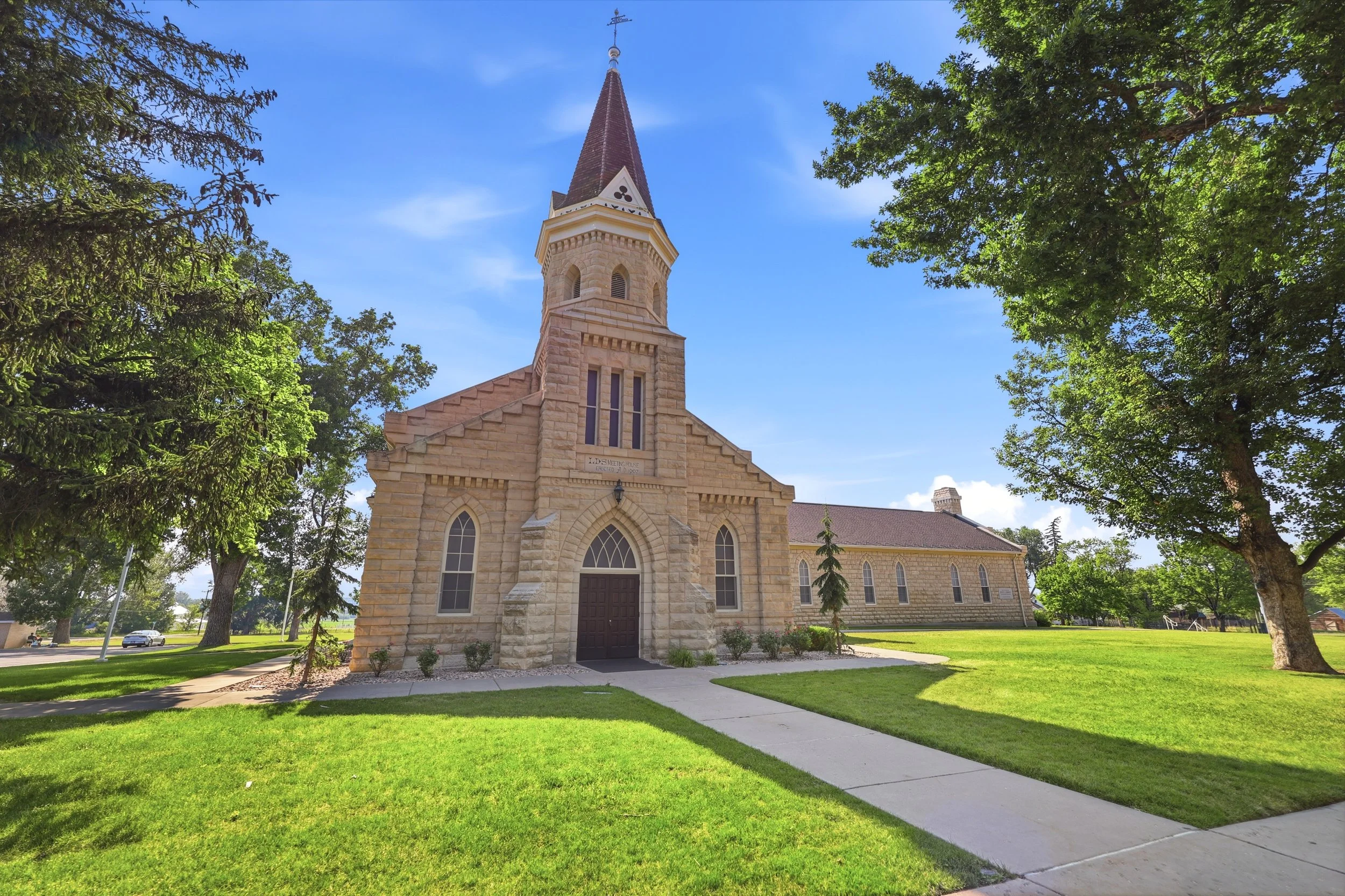
Historic stone landmark in Spring City Utah

Stone Landmarks

Local stonework that helps define Spring City’s historic streetscape

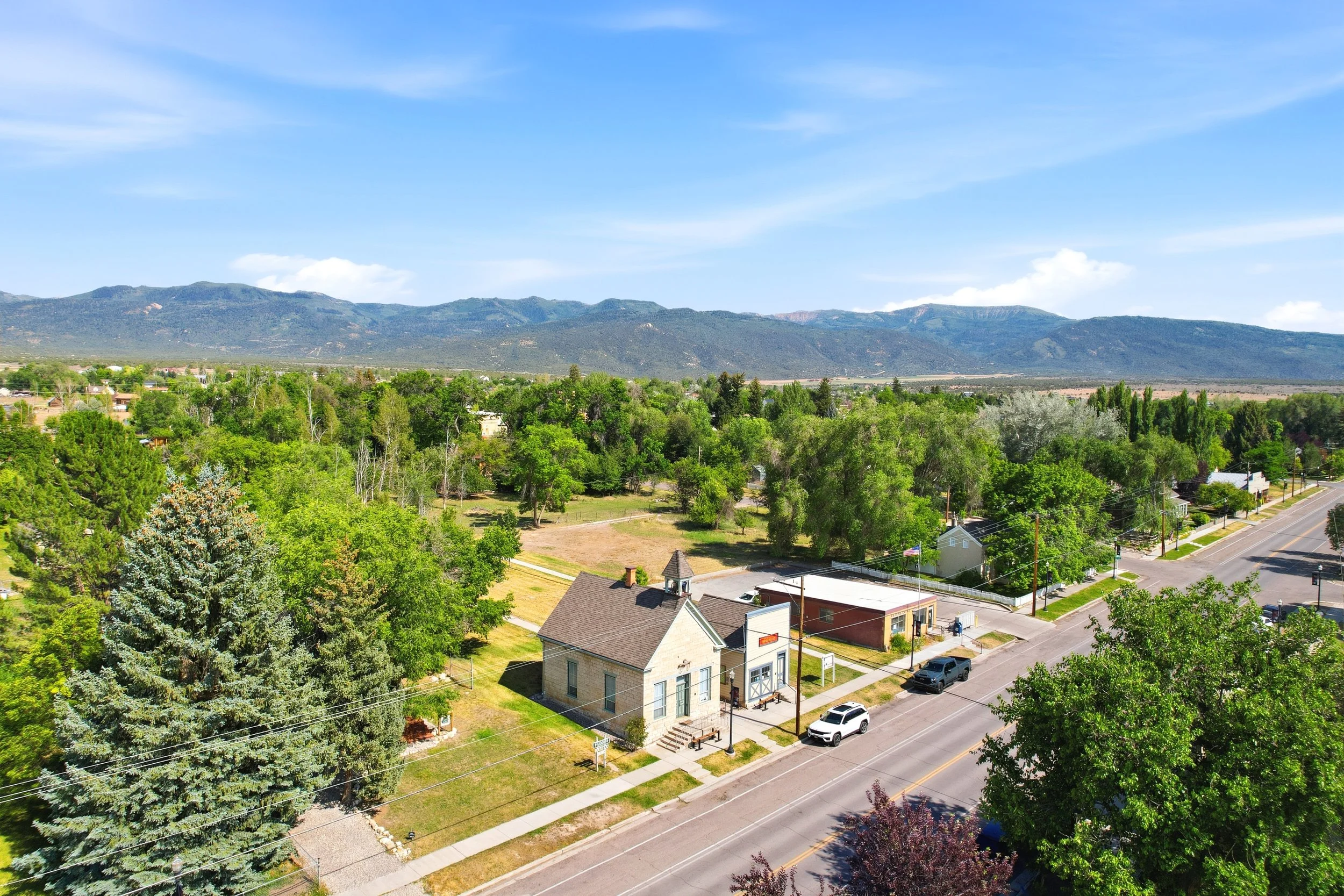
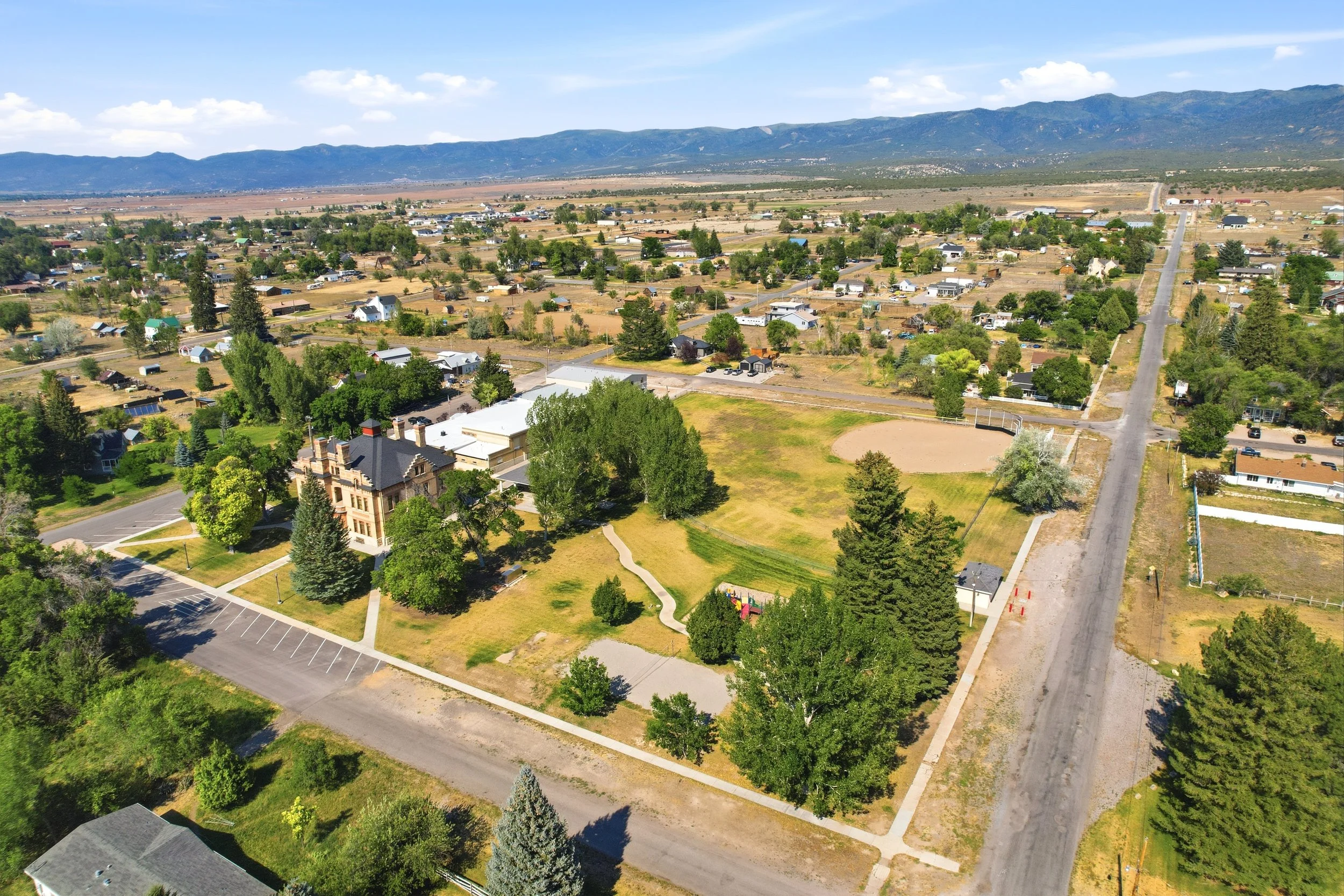
Aerial view of Spring City Utah and the surrounding Sanpete Valley landscape

Open Valley Setting

Residential streets, open land, and mountain views across Sanpete Valley

Showcasing Variety

Architectural Diversity in Spring City, Utah

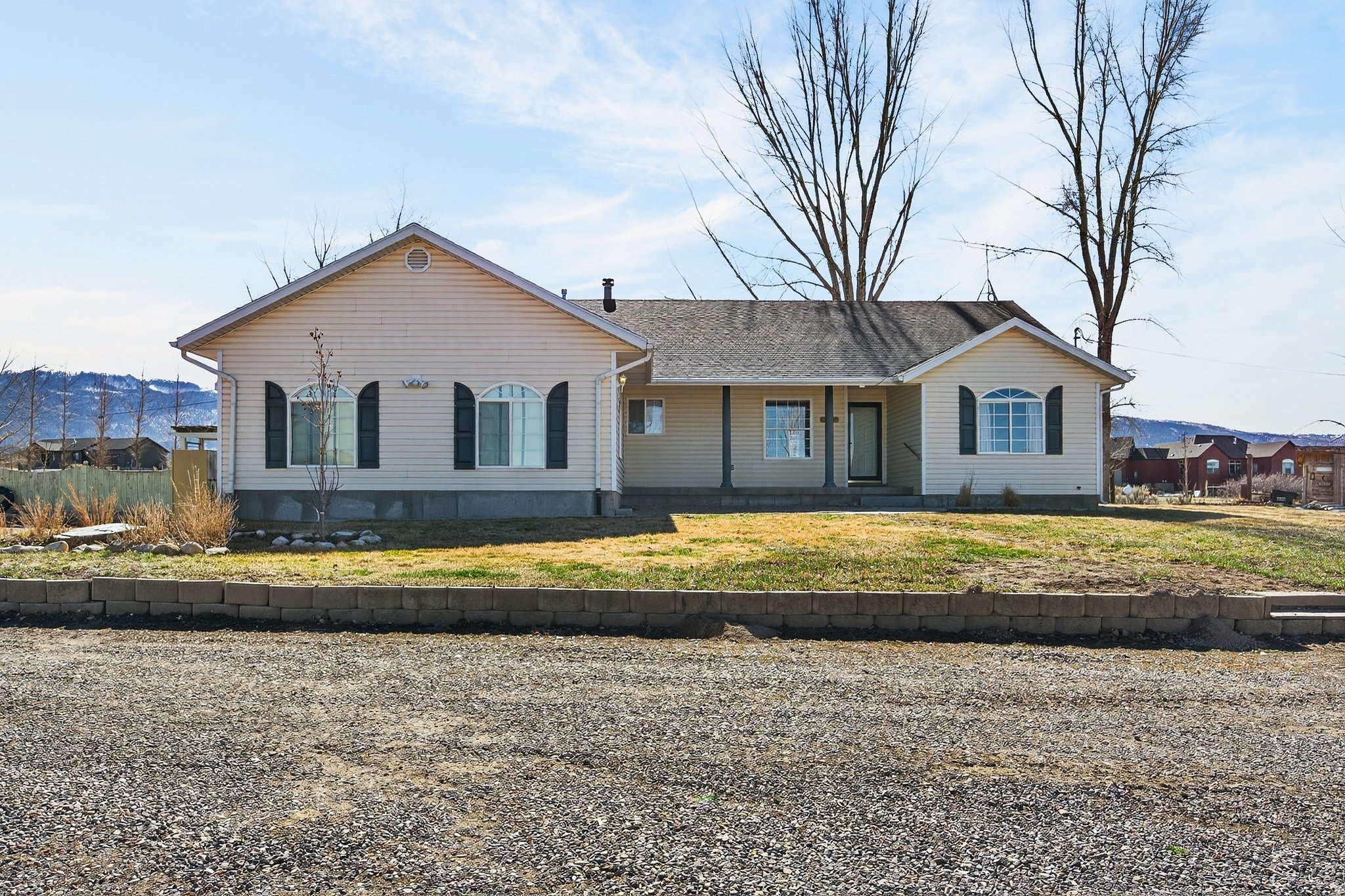
Spring City housing spans historic residences, bungalow cottages, updated ramblers, newer custom homes, and rural properties with larger lots. Architecture is only part of the comparison. Buyers may also need to evaluate restoration work, utilities, water, outbuildings, acreage, access, and how a property relates to the historic town or the rural edges around it.

Modern rambler home with mountain views in Spring City Utah

Modern Rambler

Historic residence in Spring City Utah

Historic Residence

Bungalow cottage style home in Spring City Utah

Bungalow Cottage

Rural rambler home with open land in Spring City Utah

Rural Rambler

2026 Market Snapshot

How Active Is the Spring City, Utah Real Estate Market in 2026?

Spring City Right Now

A Small Market Where Property Type Matters

Spring City is small enough that Zillow does not currently publish a dedicated city level home value or city level market speed series. Zillow’s Spring City market page explicitly notes that specific data for the location is unavailable and displays Sanpete County figures instead. That makes live inventory and property by property comparison especially important when evaluating the local market.

As of August 28, 2026, Zillow’s Spring City search shows eight residential homes within the visible Spring City results, with asking prices ranging from $225,000 to $1.85 million. The same search is heavily weighted toward land and acreage, while current Utah MLS inventory includes historic homes, updated ramblers, rural properties, and current custom construction. In a market this varied, age, condition, land, water, utilities, outbuildings, and restoration quality can create large differences between properties that appear similar at first glance.

8Current Residential Listings

Zillow’s Spring City search currently surfaces eight residential homes within the visible Spring City results. The mix includes historic homes, updated ramblers, larger rural properties, and higher end residences, which is why a single citywide price figure would not tell the full story.

$393.8KSanpete County Typical Home Value

Because Zillow does not currently publish a Spring City specific home value series, its Spring City market page displays the broader Sanpete County typical home value of $393,836 through May 2026. Spring City properties can vary substantially from that county figure because of historic architecture, acreage, restoration quality, and rural improvements.

29Sanpete County Median Days to Pending

Zillow reports a 29 day median time to pending for Sanpete County through May 2026. Spring City itself can behave differently because its inventory is smaller and more specialized, so buyers and sellers should evaluate the actual competing properties rather than assuming the county average applies to every home.

Market snapshot reviewed August 28, 2026. Spring City inventory context reflects the current Zillow Spring City search. Zillow does not currently provide a dedicated Spring City home value or market speed series, so broader market metrics shown here use Sanpete County Zillow data through May 31, 2026. Current property type, construction, acreage, and listing context was cross checked against UtahRealEstate.com / Utah MLS. Market conditions and inventory can change at any time.

2026 Buyer & Seller Perspective

What It Means for You

Aerial view of Spring City Utah neighborhoods and historic town setting View image

For Buyers

Buying in Spring City?

Historic homes require property specific due diligence

Older Spring City homes can differ widely in materials, systems, additions, restoration quality, outbuildings, and maintenance history. A strong buying process should look beyond appearance and evaluate inspections, utilities, structural condition, renovation needs, and any historic considerations that may affect future work.

Land and water can matter as much as the house

Many Spring City and nearby rural properties include larger parcels, irrigation shares, wells, septic systems, private roads, horse property features, or outbuildings. Buyers should verify exactly what transfers with the property and compare access, water, utilities, zoning, maintenance, and financing alongside the home itself.

The Takeaway

Compare the whole property, not just the house. In Spring City, land, water, condition, history, and location can be central to value.

Thinking about buying soon?

Contact Us to build a clear strategy around the homes, land, and property details you are comparing.

For Sellers

Selling in Spring City?

Your property may not have a simple comparable

Spring City sellers may be competing across very different property types, from historic homes in town to updated ramblers, custom residences, acreage, and rural edge properties. Pricing should account for the property’s actual condition, land, improvements, water, location, and current competition rather than relying on a broad area average.

The story should be supported by clear facts

Historic character, restoration work, barns, workshops, irrigation, acreage, mountain views, and other distinctive features can all influence buyer interest. Strong photography and thoughtful storytelling work best when they are paired with accurate documentation so buyers can understand what makes the property different.

The Takeaway

Position the property around the features buyers can verify and value, then price it against the most relevant current alternatives.

Need a little clarity before listing?

Contact Us to evaluate how your Spring City property fits into today’s smaller, highly varied market.

Aerial view of Spring City Utah streets and surrounding valley landscape View image

The Lance Group Real Estate

Elevated Living Starts Here

A Legacy of Excellence Since 2007

Spring City real estate is shaped by historic homes, rural properties, acreage, newer construction, open valley views, and a preserved town center that gives each property its own context.

Led by Kylie Lance, The Lance Group Real Estate combines local knowledge, thoughtful strategy, and a highly personalized approach to buying and selling in Utah. From relocation and new construction to luxury properties and investment decisions, our team brings clarity to moves that deserve careful attention.

The Lance Group Real Estate team portrait

If Spring City aligns with what you are planning next, we are here to help you compare the property, the land, and the market around it with clarity.

Schedule a Free Consultation

Talk to an Expert

Spring City Real Estate Questions

Frequently Asked Questions

What types of homes are available in Spring City, Utah?

Spring City real estate includes historic homes, bungalow cottages, ramblers, newer custom homes, rural residences, acreage properties, and land. The mix is unusually varied for a small community, so buyers should compare condition, land, utilities, water, outbuildings, and location alongside the house itself.

Are there new construction homes in Spring City?

Yes. Current Utah MLS inventory includes newer homes and active custom construction in and around Spring City. Buyers considering new construction should compare builder terms, completion timing, utilities, septic or sewer requirements, water, lot characteristics, and the property’s relationship to the historic community.

Is the Spring City housing market competitive in 2026?

Spring City is a small and specialized market rather than a high volume market. Zillow does not currently publish a dedicated city level home value or days to pending series, so the best view comes from current Spring City inventory combined with broader Sanpete County context. Competition can vary substantially by property type, condition, acreage, and historic character.

What should buyers compare when choosing a Spring City property?

Buyers may want to compare age, restoration quality, lot size, outbuildings, irrigation, water rights or shares, septic or sewer service, road access, mountain views, proximity to the historic core, and any HOA or property use restrictions. These factors can materially change the ownership experience.

Do Spring City properties include irrigation shares or water rights?

Some Spring City and nearby rural properties include irrigation shares, wells, culinary water connections, or other water related rights, while others do not. Water is property specific, so buyers should verify exactly what is included, how it transfers, and whether there are ongoing costs or use limitations.

What should sellers know about marketing historic homes or acreage?

Historic homes and acreage properties often require more detailed positioning than a standard suburban resale. Sellers should document improvements, restoration work, utilities, water, outbuildings, land use features, and other property specific advantages so buyers can compare the home accurately with current alternatives.

Why is the Spring City Historic District significant?

The Spring City Historic District was listed on the National Register of Historic Places in 1980. Updated documentation recognizes the district for its associations with settlement, agriculture, community development, and the evolution of architectural types and styles within a rural Utah community.


Explore More Communities:

Mt Pleasant

Nephi

Mona


Frequently Asked questions: