Buying Acreage in Utah? 8 Property Facts to Verify Before You Commit
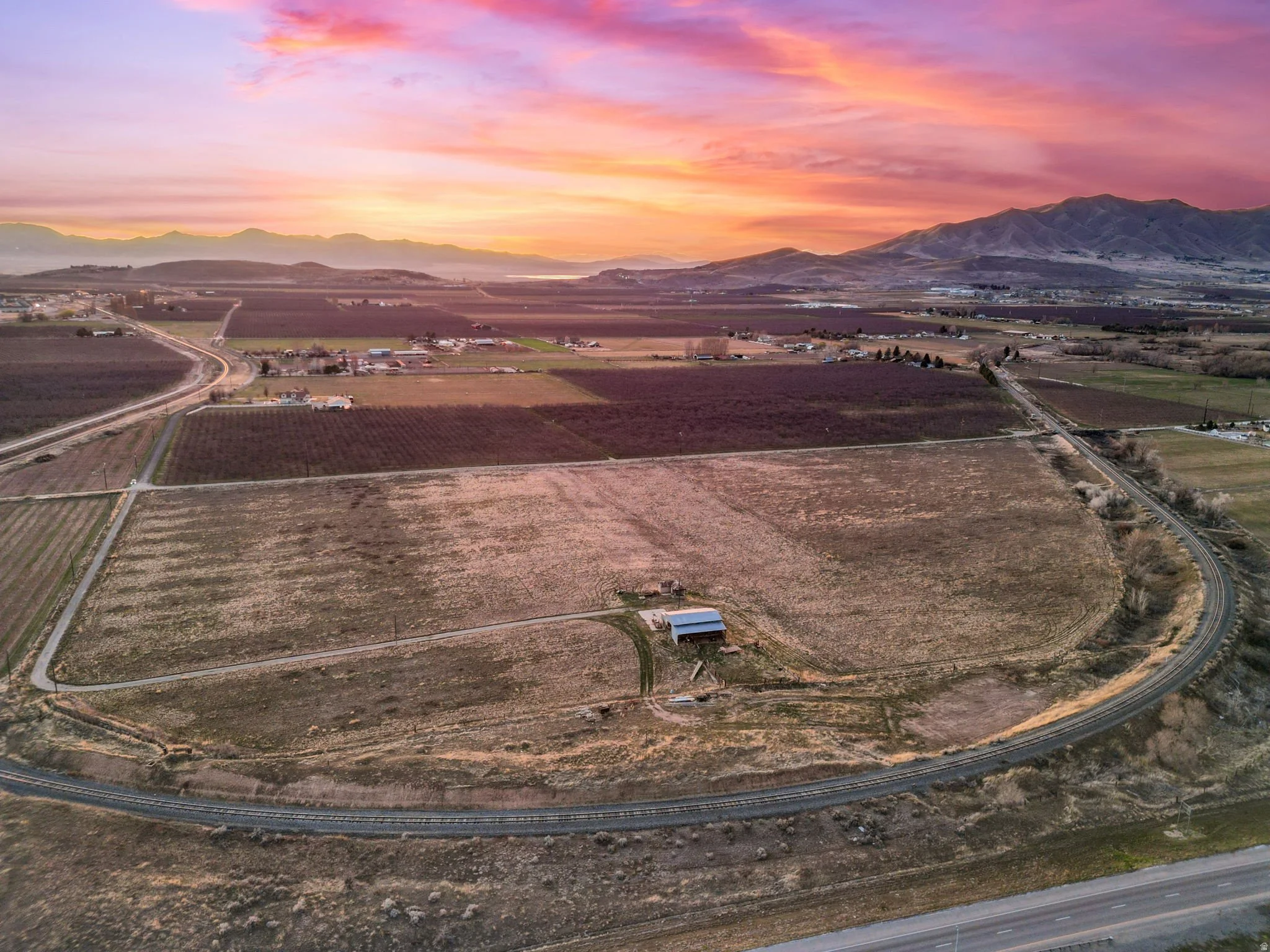
Acreage listings make it easy to imagine the home, garden, animals, outbuildings, or extra space you want. The harder question is whether that particular parcel can legally and practically support the picture you have in mind.
The advertised acreage does not tell you what you can build, divide, water, access, insure, or finance. A useful Utah acreage decision connects the parcel's legal status and governing rules with its water, wastewater, road, utility, title, and physical conditions.
Five hypothetical acres with an existing residence, established access, and city services.
Five hypothetical acres that are vacant, reached by a private road, and dependent on a well and septic system.
Before You Plan What To Do With the Land, Verify Who Controls It and What Is Allowed
Which Government Controls the Parcel?
A mailing address does not necessarily identify the land use authority. Property inside a city is generally subject to that city's land use rules, while unincorporated land is governed by county rules.
Utah County Community Development limits its planning service to unincorporated Utah County. In Sanpete County, the county building department explains that property inside city limits needs city zoning approval before a county building permit application.
That distinction changes which map, code, permit path, and government office should answer your questions.
Is It a Legal Parcel, and What Does Zoning Actually Allow?
A tax parcel number and a listing description do not, by themselves, establish that a new dwelling, subdivision, second residence, animal use, or outbuilding is approved.
Zoning provides the framework for uses, lot standards, setbacks, frontage, and density. A particular project may still require an application, conditions, infrastructure, or a recorded plat.
Five acres should not be valued as five future one-acre homesites simply because the arithmetic works. Legal lot history, current zoning, access, utilities, water, and the subdivision process determine whether that plan is actually possible.
Three Questions Can Completely Change How an Acreage Property Works
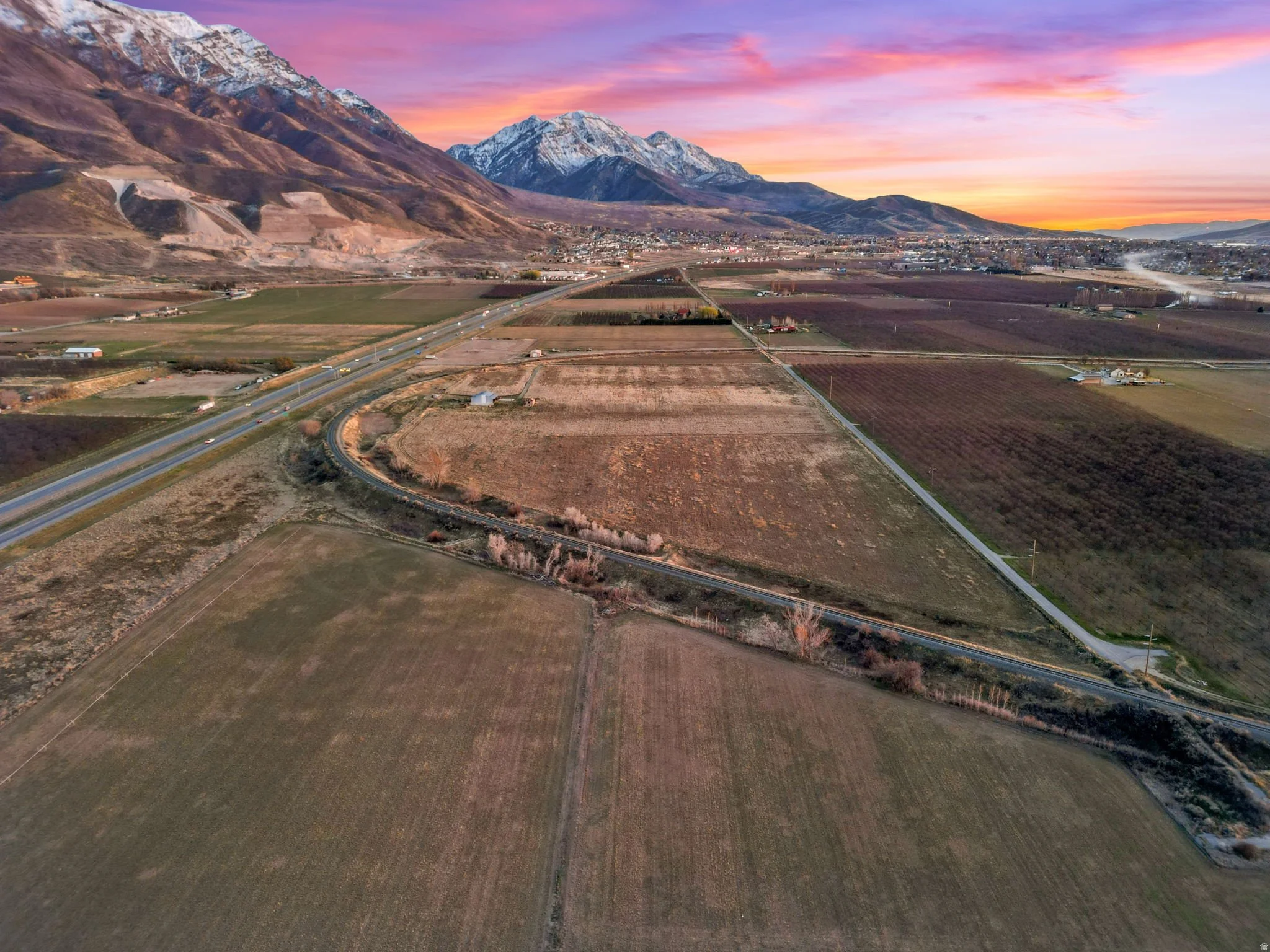
Water, wastewater, and access are easy to summarize in a listing description, but each one can involve several different legal, physical, and cost considerations.
What Water Service and Water Interests Come With the Purchase?
Drinking water service, a well, a water right, and irrigation company shares answer different questions.
The Utah Division of Water Rights explains that a water right may pass with land by appurtenance or be conveyed separately by deed. A well is physical infrastructure, but it is not proof that every intended use is authorized or that the system has the capacity you expect.
An irrigation share can also carry company rules and may serve outdoor uses rather than household drinking water.
How Will Wastewater Be Handled?
A sewer connection and an onsite wastewater system create different ownership and development questions.
Where a parcel relies on septic, the location, permitted capacity, condition, and room for repair or replacement can affect whether an existing home or proposed addition works.
A neighboring septic system does not prove the subject parcel will support the same use. Site and capacity questions belong to the specific property.
Is Access Both Legal and Practical?
A visible driveway is physical access. A recorded right to use it is a separate fact.
The existence of a road does not automatically establish that the property owner has a legal right to use it. A private road can also bring shared maintenance costs, gates, seasonal conditions, and questions about emergency access.
Trace the route from the public road to the parcel through title documents and recorded easements, then compare those documents with the route you can physically drive.
The Total Acreage and the Practical Acreage Can Be Very Different
What Utility Service Reaches the Usable Homesite?
A utility line near a property boundary does not establish that service reaches the proposed home or that connecting to it is economical.
"Utilities nearby" might mean an active meter at an existing residence, a line across the road, or infrastructure that still requires substantial private extension work.
- Electricity
- Culinary water
- Sewer or septic
- Natural gas or propane
- Internet availability
- Irrigation
- Waste service
- Connection costs
How Much of the Acreage Can You Actually Use?
Total acreage and usable acreage can be very different.
Slope, drainage, easements, setbacks, access corridors, utility locations, and existing improvements may affect where you can build, fence, create pasture, or place other improvements.
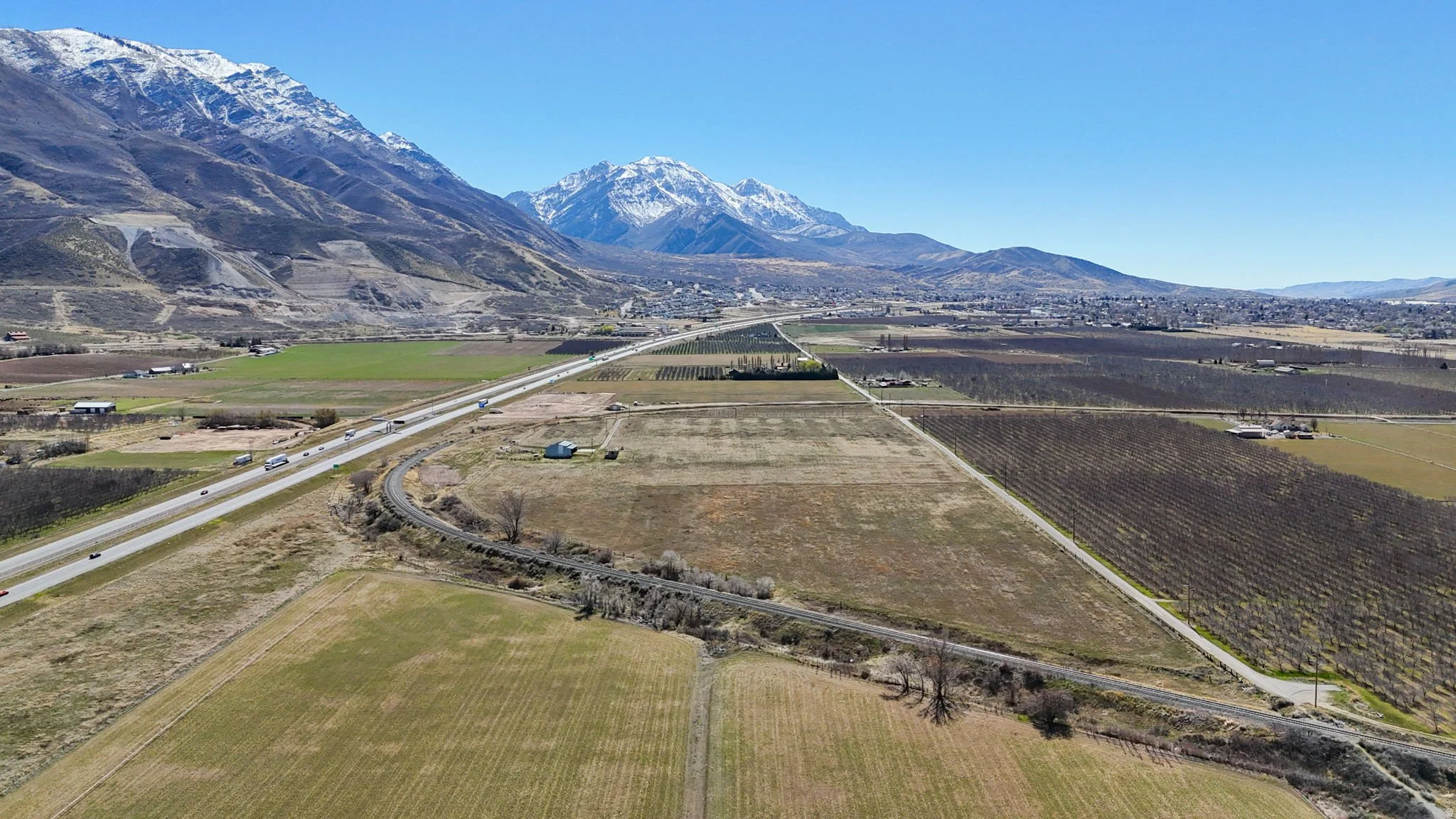
County parcel mapping is a useful starting point, but an aerial image is not proof that a broad flat area lies within the parcel boundaries or outside a recorded easement.
Finish the Analysis With the Home, Structures, Financing, and Insurance
Will the Home and Land Fit Financing, Insurance, and Condition Requirements?
An acreage purchase is more than a standard house inspection.
Outbuildings, private roads, wells, septic systems, agricultural activity, and planned improvements can affect appraisal, loan review, insurance, and future maintenance.
This does not mean acreage is inherently difficult to finance or insure. It means a quote or assumption based on a conventional suburban home may not reflect the specific structures, road, systems, or intended use of the acreage property.
Use the Eight Facts as One Property Comparison
These questions work best together, not as eight unrelated chores.
When The Lance Group Real Estate helps you evaluate acreage, the goal is to organize parcel information, zoning responses, water interests, wastewater records, access and title material, utility answers, survey information, inspection findings, and financing and insurance terms around the use you actually have in mind.
The appropriate authorities and specialists establish the facts within their areas of responsibility. Our real estate role is to help you see which questions are settled, which remain open, and how an unanswered issue could affect the property or the transaction.
That is more useful than simply collecting documents without connecting them to what you plan to do with the land.
Buying Acreage in Utah FAQs
Does five acres mean I can divide the land into five lots?
Do water rights automatically come with Utah acreage?
Does a road touching the property guarantee legal access?
Can acreage alone establish that animals or another building are allowed?
The Acreage Number Is Only the Beginning of the Value Question
A parcel becomes a stronger candidate when its legal status, allowed use, water, wastewater, access, utilities, usable land, condition, and ownership costs support the plan you have for it.
An attractive listing and a workable property are not always the same thing. Property-specific facts should be established by the appropriate authorities and specialists before they become purchase assumptions.
Suggested Blogs