Double-click to edit...

Utah Home Buyer Guide

Buying a Utah Home With a Basement Apartment? Here Are 5 Things to Know Before You Buy

What should you know before buying a Utah home with a basement apartment?
A basement apartment can add flexible living space and may offer rental income potential, but a finished lower level is not automatically approved for rental use. Before you buy, verify the apartment's legal status, owner occupancy rules, physical condition, income assumptions, and the due diligence documents that apply to the property.
Utah home with basement apartment buyer guide
Quick Answer
A Second Kitchen Does Not Automatically Equal an Approved Rental

A home with a basement apartment can be an attractive opportunity, especially if you value additional living space or are considering rental income.

But the listing description alone does not establish whether the lower level can legally be rented. The useful questions are whether the apartment is approved for your intended use, whether owner occupancy or licensing applies, what condition the space is in, and whether your financial assumptions still work if rental income is delayed or unavailable.

01
Understand the ADU

What Exactly Is an ADU?

ADU stands for Accessory Dwelling Unit. In general, it refers to an additional living unit associated with a property that already has a primary home.

It may be a basement apartment, a detached backyard structure, or another qualifying living area. An ADU typically includes its own facilities for cooking, sleeping, and bathing so the space can function independently.

But a second kitchen or private entrance does not automatically make the basement an approved apartment. Local requirements determine whether a space can be used or rented the way you intend.

Orem City, for example, publishes accessory apartment requirements and maintains records related to approved apartments. The correct verification process depends on the city or jurisdiction governing the property.
Basement apartment in a Utah home
Term 01
Building Permit

Authorization from the applicable government authority for construction or remodeling work that requires approval.

Term 02
Approved Apartment

A living space whose intended use has been authorized under the applicable local requirements.

Term 03
Rental License

A separate authorization some cities may require before a unit can legally be rented to tenants.

Think Beyond the Purchase
The Basement's Approval Status Can Matter Again When You Eventually Sell

A future buyer may want documentation before assigning value to the apartment's rental potential. If the proper approvals are missing, questions about permitted use can affect how the space is represented, evaluated, and negotiated during a future sale.

Utah basement apartment ownership considerations
02
Owner Occupancy

Do You Have to Live in the Property?

Owner occupancy means the property owner is required to live at the property, typically in either the primary residence or the approved additional unit.

That matters because two buyers can look at the same house and have completely different plans for it.

A

You plan to live in the main residence and rent the basement.

B

You plan to live somewhere else and rent both living areas.

Those plans are not necessarily treated the same under local rules.

Provo, for example, publishes internal ADU requirements that include owner occupancy and rental licensing. Because regulations can change, verify the current requirements for the specific property before assuming an approved apartment supports your intended rental strategy.

Where owner occupancy is required, approval of the basement apartment does not automatically give you permission to rent both living spaces while residing somewhere else.
Home inspection considerations for a Utah basement apartment
03
Condition Matters Too

An Approved Apartment Can Still Have Expensive Problems

Approval for your intended use does not tell you whether the basement is in good physical condition.

Basements can have issues involving moisture, electrical systems, heating, ventilation, plumbing, or emergency exits. That is why the physical condition of the space deserves its own review.

Home Inspection

An independent evaluation focused on the property's physical condition and potential repair concerns.

Appraisal

Primarily an opinion of value used in the transaction and often required for financing. It does not replace a property inspection.

Important Distinction

Neither an appraisal nor a general home inspection automatically establishes that the basement is approved for rental use.

Condition, value, and regulatory use are three different questions. A buyer should understand each one before assigning rental value to the basement or relying on the space as part of the purchase strategy.

Utah home basement rental income considerations
04
Rental Income

Can Basement Rental Income Really Help Pay Your Mortgage?

Potentially, yes. But avoid building the entire purchase around income you have not verified.

Imagine expecting $1,200 per month from a basement tenant, only to discover after the offer is accepted that the apartment needs additional approval, repairs, or both before you can rent it.

$1,200

Hypothetical monthly rent can look helpful on paper, but approval delays, repairs, vacancies, insurance, maintenance, and other ownership costs can change what you actually keep.

If you are hoping future rental income can be considered for mortgage qualification, discuss the property and applicable loan requirements directly with your lender before relying on that income in your purchase plan.

A useful stress test is simple: could you still afford the home if the basement did not produce rental income right away?
05
Before Closing

What Should You Verify During Due Diligence?

Due diligence is your opportunity to investigate the property before completing the purchase, when the applicable condition is included in your contract.

1
Permitted Use

Verify whether the basement apartment is approved for the use you intend.

2
Available Permit Records

Review available construction, remodeling, apartment, or rental records that apply to the property.

3
Existing Tenant Agreements

If tenants already occupy the space, understand the lease or rental arrangement before closing.

4
Inspection Findings

Evaluate the physical condition of the basement and the rest of the property with the appropriate professionals.

5
Contract Deadlines

An unanswered question does not automatically extend your Due Diligence Deadline.

6
Written Resolution

If concerns arise, any negotiated resolution should be handled according to the written terms and deadlines of your purchase agreement.

Your signed Utah Real Estate Purchase Contract, addenda, and amendments determine your actual rights and deadlines. Questions about legal interpretation should be directed to a Utah attorney.
Final Takeaway

Before You Buy, Make Sure the Basement Fits Your Actual Plan

A basement apartment may offer useful living space or potential rental income, but those benefits depend on more than what you see in the listing photos.

Verify whether the space is approved for your intended use, understand any owner occupancy or licensing requirements, review the physical condition, challenge your rental-income assumptions, and use your due diligence period to resolve important questions before closing.
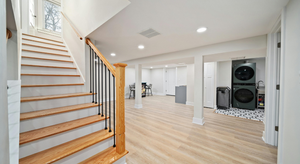

The better question is not simply whether the home has a basement apartment. It is whether that apartment can actually support the plan you have for the property.
Already Considering a Utah Home With a Basement Apartment?
The Lance Group Real Estate can help you look beyond the listing description, identify important questions about permitted use, review the real estate timeline, and evaluate whether the property fits your goals before you commit.
Start With a Buyer Consultation
Local requirements vary by property and jurisdiction and may change over time. Building, zoning, rental, financing, inspection, and legal questions should be confirmed with the appropriate government authority or qualified professional. Your signed purchase agreement controls your transaction.
Frequently Asked Questions

Buying a Utah Home With a Basement Apartment FAQs

Are basement apartments legal to rent in Orem, Provo, and Spanish Fork, Utah?
Basement apartments may be rented legally when the property meets the requirements that apply in its jurisdiction. These spaces are often referred to as Accessory Dwelling Units, or ADUs. A finished basement alone does not establish rental approval. Verify the permitted use, applicable licensing, and current city requirements for the specific property before making the purchase decision.
Can I buy a home in Santaquin, Payson, or Springville and rent out the basement?
Potentially. The answer depends on the property's legal status and the requirements that apply in the city or jurisdiction. Some accessory dwelling unit rules include owner occupancy or other conditions. Confirm the current rules and the approval status of the specific basement before relying on rental use.
Can basement apartment rental income help me qualify for a mortgage in Utah?
Certain mortgage programs may allow eligible rental income to be considered, but the requirements vary by program, borrower, and property. If rental income is part of your qualification strategy, discuss the actual property and documentation directly with your lender before relying on that income.
What if I'm buying a home in Provo or Orem that already has basement tenants?
Existing rental activity does not, by itself, establish that the basement is approved for the current use. Review the property's available approval records along with any existing lease or rental agreement so you understand what arrangement may continue after closing.
Can an unpermitted basement apartment affect my home's resale value in Utah?
It can affect how future buyers evaluate the property, especially when rental income is part of the appeal. Missing approvals can create questions about permitted use, future improvements, financing, representation, or the value a buyer assigns to the basement apartment.
Is buying a home with an unapproved basement apartment worth it in Utah?
It can be, depending on the price, physical condition, permitted use, costs, and what you want from the property. An unapproved basement may still offer useful living space even when rental use remains uncertain. The key is understanding the limitation before deciding what the home is worth to you.
Sources
Orem City
Accessory Apartments. Used for local accessory apartment requirements, owner occupancy context, and the city's apartment records.
Apartment list dated July 31, 2026 · Checked October 12, 2026
View Orem Accessory Apartments
Provo City
Accessory Dwelling Units. Used for internal ADU requirements, owner occupancy, permits, and rental licensing context.
Checked October 12, 2026
View Provo ADU Information
Consumer Financial Protection Bureau
Schedule a Home Inspection. Used for the distinction between an independent home inspection and an appraisal.
December 12, 2024 · Checked October 12, 2026
View CFPB Inspection Guidance
Utah Division of Real Estate
Utah Real Estate Purchase Contract. Used for due diligence, leases, disclosures, contractual conditions, and written deadlines.
Effective December 4, 2024 · Checked October 12, 2026
View Utah REPC