Welcome to our 2026 Mid-Year Market Update, where we cut through the headlines to bring you the reality of today’s housing landscape.

The Mid Year Housing Market Update: Why Forecasts Changed in 2026
The 2026 housing market hasn’t played out exactly like experts expected.
If the market feels confusing right now, you’re not alone. At the end of 2025, many economists expected 2026 to bring a stronger rebound with easing rates and returning buyers.
Instead, affordability stayed tight and buyers became more selective. This doesn’t mean the market is stalled, it simply means expectations are adjusting to the reality of today’s rates and economic climate.
Why did housing market forecasts change?
1. Rates Stay Higher for Longer
Earlier forecasts expected rates to drop quickly. Now, projections suggest rates may linger in the mid 6% range. Because even small rate changes impact monthly payments, waiting for a dramatic drop is no longer a guaranteed winning strategy. Rates could improve if inflation cools, but there’s no guarantee the drop will be fast.
2. Home Sales Revised Lower
Buyers are still interested, but affordability is keeping many from moving forward. Expectations for the overall pace of existing home sales have cooled, meaning smart property pricing and presentation matter far more now than during the pandemic era market frenzy.
3. New Construction Bright Spot
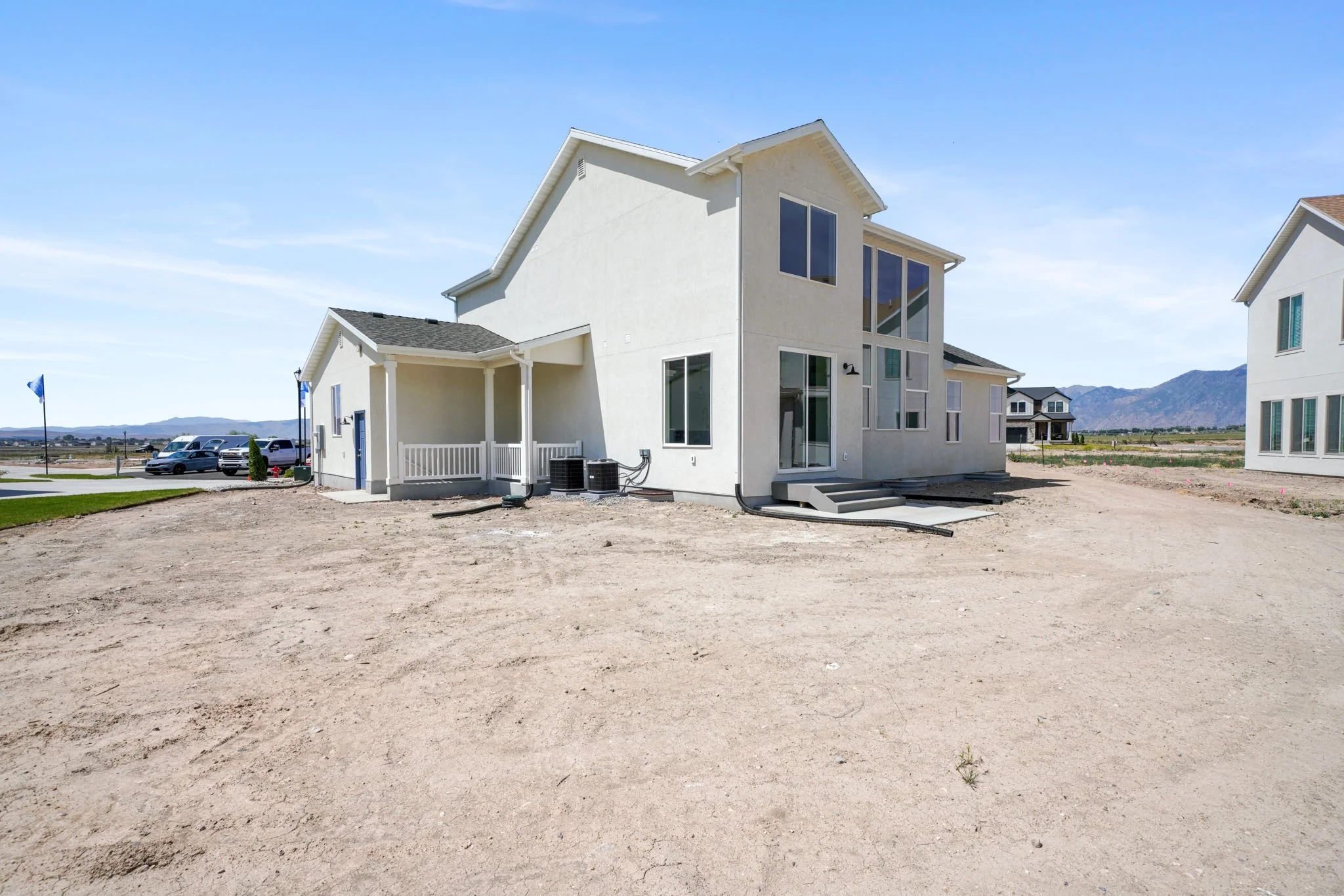
With resale sales slowing slightly, builders are looking for ways to keep fresh inventory moving. This presents a bright window for buyers open to new builds, where rate buydowns, closing cost help, and structural incentives offer custom leverage.
4. Prices Still Expected To Rise
Despite slower transactional sales, national home prices are still climbing because overall inventory pool limits continue to support values. Real estate is fundamentally local, but broad experts forecast moderate pacing adjustments, not a sudden price collapse.
The 2026 Strategy Playbook
What This Means if You’re Buying
The key question isn't just about rates. It is about evaluating your personal parameters framework accurately:
- Can you comfortably afford the monthly payment metrics at current levels?
- Do you plan to stay in the home long enough for the purchase equity to grow?
- Is there healthy listing inventory active within your target price tier?
- Can you negotiate better buy terms now than in a highly competitive landscape?
If you can buy comfortably now, waiting may not put you in a better spot. If rates fall later, a fresh wave of buyer competition could drive asset prices up rapidly.
What This Means if You’re Selling
Buyers are active, but they are highly payment sensitive. You must calculate pricing strategies using real neighborhood metrics:
- Analyze recent, closed, highly hyper local comparable data tracks.
- Track exactly what your active listing competition properties are doing.
- Monitor average days on market indicators for your exact property style.
- Watch localized price reduction patterns in your immediate area.
Overpricing will cause an active listing to sit stagnant, but a beautifully prepared and well positioned home will still safely draw serious interest.
Let’s Talk About Your Local Market
Broad national headlines don't tell the whole story. Let's analyze the exact metrics moving inside your specific neighborhood to build an optimal game plan for your next move.
Connect With Our TeamSources: Fannie Mae housing and economic forecast resources, the Mortgage Bankers Association, Realtor.com’s 2026 Housing Forecast, Zillow Research, and National Association of REALTORS® market commentary.