Welcome to your personal guide to navigation and strategy in today's market. This week, we are pulling back the curtain on a quiet but massive shift across the real estate landscape: the strategic return of the seller concession. If you have been waiting for the right moment to make a move with more confidence and less cash out of pocket, you have landed in the exact right place. Let’s break down how to turn today's data into your ultimate financial leverage.
More Seller Concessions in 2026

Seller Concessions Are Becoming More Common
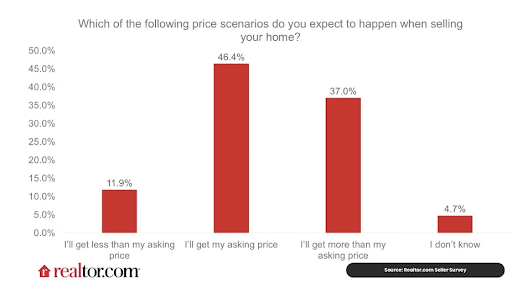
According to Realtor.com, 39% of potential sellers said this spring that they expect to cut their price or offer other incentives, up from 30% during the same period in 2025.
That does not mean every seller is automatically willing to negotiate. But it does show that more sellers are preparing for a market where buyers may ask for more flexibility.
Redfin reported a similar trend, finding that 44.4% of U.S. home-sale transactions in the first quarter of 2025 included seller concessions, up from 39.3% one year earlier and just below the early 2023 record of 45.1%.
For buyers, that shift matters because concessions can sometimes help you save money without requiring the seller to lower the purchase price.
What Are Seller Concessions?
A seller concession is something the seller agrees to provide to help move the deal forward. That could include financial help, repair related terms, or other adjustments that make the purchase more workable for you.
Common examples include:
The National Association of REALTORS® notes that concessions can cover a wide range of costs, including title related costs, home repairs, real estate fees, and appraisal related expenses. NAR also reported that closing costs were the most common seller concession in 2024.
A Shifting Landscape
Unlocking Buyer Leverage
Why Sellers May Be More Open To Negotiating
Sellers are not offering concessions just to be generous. In many cases, they are responding to buyer affordability challenges, longer decision timelines, or more competition from other listings.
When mortgage rates, home prices, and monthly payments are all top of mind, buyers tend to look carefully at total cost, not just the purchase price.
That can make concessions a practical tool for both sides. A seller may prefer offering a credit or covering certain costs instead of making a larger price reduction, while a buyer may benefit from lower cash needed at closing or more manageable upfront expenses.
What Buyers Should Consider Asking For
The best concession to ask for depends on your situation. For some buyers, closing cost help may be the most valuable because it reduces the amount of cash needed to get to the closing table. For others, a repair credit may make more sense after inspections.
Seller Paid Closing Costs
This can be especially helpful if you have a strong down payment plan but want to preserve more cash after closing. Closing cost assistance may reduce your upfront burden and give you more flexibility once you move in.
Repair Credits
After inspections, you may discover items that need attention. Rather than asking the seller to complete every repair before closing, a credit may sometimes be a cleaner solution, depending on the issue and the loan type.
Price Adjustments
A price reduction can be helpful, but it is not always the only or best option. Depending on your financing, a closing cost credit or rate related concession could have a bigger short term impact on your budget.
Rate Buydown Assistance
Some buyers ask sellers to contribute toward a temporary or permanent mortgage rate buydown. This can potentially lower the monthly payment, but it needs to be reviewed carefully with your loan professional.
The Art of Negotiation
Strategy Over Emotion
What Might Be a Long Shot?
Just because more sellers are open to concessions does not mean every request will be accepted.
A seller may be less flexible if the home is priced well, receiving strong activity, or located in an area with limited inventory. On the other hand, a listing that has been sitting longer, has had a price reduction, or needs repairs may create more room for negotiation.
That is why local context matters. A concession that makes sense in one neighborhood, price point, or property type may not work in another.
The Right Ask Could Save You Thousands
For buyers, the opportunity is not simply asking for more. It is asking for the right thing. A strong concession strategy looks at the seller’s position, recent comparable sales, days on market, inspection findings, and your overall financial goals. The goal is to write an offer that protects your interests without weakening your chances unnecessarily.
Precision & Timing
Knowing When to Push
Final Takeaway
More sellers expecting to make concessions is good news for buyers, but it does not replace the need for strategy. The right concession request could help you reduce upfront costs, address repairs, or improve your overall terms. But the strongest offer is still the one that matches the realities of your local market.
Ready To Talk Through Your Options?
If you are thinking about buying, let’s talk about what concessions make sense in our market. The right ask could save you thousands, but knowing what to ask for is where strategy matters most.
Contact Us TodayRealtor.com: Home Sellers Are Still Optimistic on Price, but More Brace for Concessions
Redfin: 44% of Home Sellers Are Giving Concessions to Buyers
National Association of REALTORS®: How Home Sellers Can Use Concessions to Get to Closing